
Pada minggu ini, saya dan rakan-rakan telah diajar tentang network and computer security. Apa yang saya tahu ialah network and computer security adalah untuk mencegah dan memantau akses yang tidak dibenarkan, penyalahgunaan, pengubahsuaian serta penafian dalam rangkaian komputer. Tujuan security dibuat juga adalah untuk mengelak sebarang pencurian data, maklumat peribadi dan sebagainya. Saya telah membuat sedikit rumusan berkaitan topik tersebut :
SSL or Secure Socket Layer Certificates
- Small data files that digitally bind a cryptography key to an organization's details.
- Allow secure connections from a web server to a browser.
- When installed on a web server, it activates the padlock and the http protocol.
- Typically, SSL is used to secure credit card transactions, data transfer and logins.
Client Security Issues
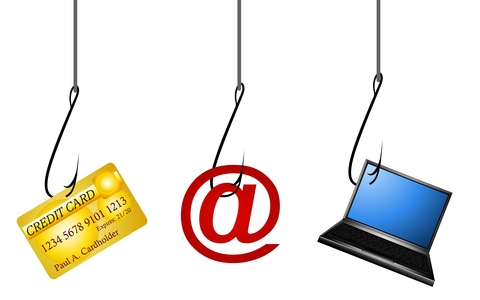
Phishing
- Attacks are performed with the intention to acquire personal information.
- One common approach of performing phishing attack - send e-mails to stem from an official representative of a well-known company.
- The recipient are encouraged to enter personal identification data.
 |
| http://blog.hotspotshield.com/2013/10/15/prevent-phishing-attacks/ |
Web Spoofing
- Mocking the web presences of trusted corporations with the intention to trick customers.
- Also employed for phishing attacks.
- Typically relies on the following factors such as convincing website and email design, use of convincing URLs and pretending "secure" connections.
 |
| http://www.texascollaborative.org/SmithModule01/sec3_con.php |
Desktop Security Issues
Adware
- Programs used to deliver advertising contents.
- Visible to the user, experienced to be annoying.
Spyware
- Intends to remain unrecognized.
- Used to gather personal info like login details, etc.
- Spyware monitors the user's activities and scan the system.
Viruses
- Programs that are attached to executable files or documents.
- Virus is executed when the host program is executed or documents is loaded.
- Spread through sharing of infected files or sending emails with viruses contained in the attachment.
- Some only replicating, while some can cause further damage to the systems.
Worms
- Programs that can replicate or copy themselves
- For example, when it is being distributed as email attachments, a worm might send a copy to all the addresses listed in the local email address book.
Trojan horses
- Programs that do not replicate themselves but typically cause damage or compromise security of infected computers.
- It appears to be useful software and often the pretended useful functionality.
- But when executed, they perform other kind of functionality.
- Damage caused varies - include data theft and destruction or illegitimate access.
 |
| http://www.bbc.co.uk/education/guides/zp8mxnb/revision/2 |

No comments:
Post a Comment